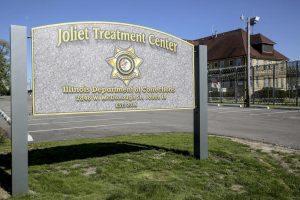

On November 10th, State Representative Lindsey LaPointe partnered with State Representative Kelly Cassidy to convene a joint subject matter hearing of the House Mental Health & Addiction Committee and the House Restorative Justice & Public Safety Committee. The hearing examined mental health treatment within the Illinois Department of Corrections (IDOC), in response to serious concerns about mental health treatment and the safety of incarcerated individuals at the Joliet Treatment Center (JTC), a facility intended to serve incarcerated individuals with serious mental illness.
Reports of inadequate care, self-harm, and deaths at JTC prompted lawmakers to examine the facility’s practices and oversight. A July 2026 investigation by the Chicago Sun-Times, WBEZ, and The Marshall Project documented more than 70 fires at the facility since 2023, including fires in 2024 that resulted in two deaths. The October 30 follow-up reporting examined the response to those findings ahead of the hearing.
During the hearing, lawmakers questioned IDOC leadership about fire safety, access to therapeutic programming, and the treatment of incarcerated individuals experiencing mental health crises. In addition, correctional employees and legal advocates described barriers to individualized treatment, inadequate safety measures, and instances in which staff responded to self-harm with disciplinary action rather than therapeutic intervention. Lawmakers also pressed IDOC officials for accurate information about conditions within the facility.
IDOC Director Latoya Hughes testified that approximately 47% of individuals in the department’s custody have a mental illness and explained that correctional facilities were not designed to provide long-term treatment. Her remarks highlighted the scale of mental health needs within Illinois correctional facilities. IDOC officials also described the mental health services available to incarcerated individuals, while correctional employees and legal advocates raised concerns about gaps between those services and the care individuals actually receive. The hearing also examined whether existing facilities, staffing, and resources adequately meet those needs. The November 11th coverage of the hearing provided additional reporting on testimony and questions raised during the proceedings.
“We hope to create urgency within the legislative and the executive branches of state government to ensure quality mental health treatment within DOC whenever needed,” LaPointe said.
The hearing brought additional concerns about conditions at JTC to light, raising further questions about IDOC’s handling of mental health treatment and safety. Representative LaPointe, Representative Cassidy and others will continue the work of legislative oversight and policy change as it relates to access to mental health care at the Joliet Treatment Center specifically and IDOC overall.